Unraveling Coverall Bingo: The Endurance Test Where Every Square Counts
Jonas Schmitz · Apr 24, 2026
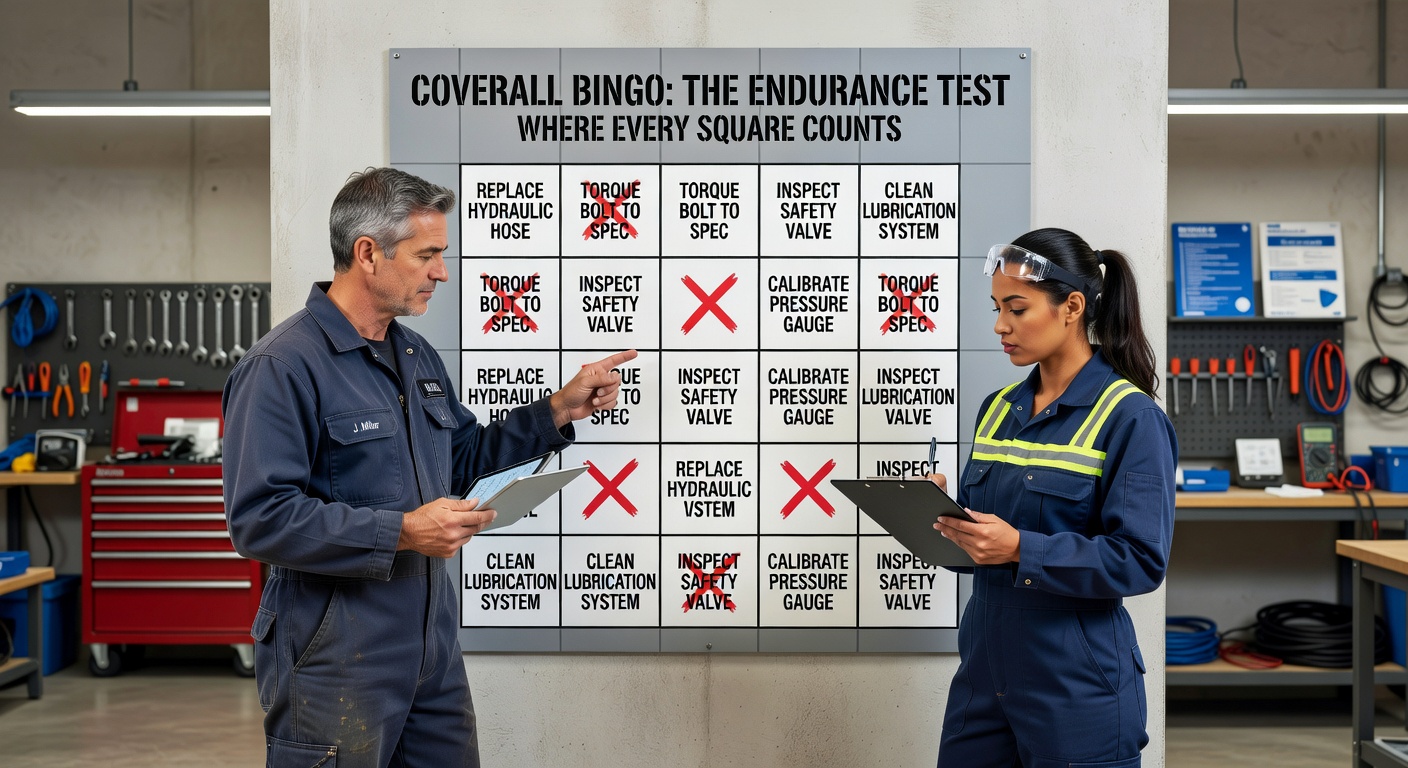
Unraveling Coverall Bingo: The Endurance Test Where Every Square Counts
The Basics of Coverall Bingo and Why It Stands Apart
Coverall bingo, often called blackout or full house in various regions, demands players mark every single square on their card before claiming victory, turning what starts as a quick social game into a grueling test of patience and luck. Unlike simpler patterns such as straight lines or four corners, where wins come fast after a handful of calls, Coverall requires all 24 numbers plus the free center space on a standard 5x5 card to light up, which means games stretch on, sometimes for hours, building tension as the last unmarked spots taunt players with near-misses. Data from North American bingo halls shows average Coverall rounds lasting 15 to 25 minutes, but outliers push past 45 when numbers evade key columns, keeping daubers flying and eyes glued to callers.
What's interesting here lies in the setup: most Coverall games use 75-ball bingo with cards featuring columns labeled B-I-N-G-O, each holding five numbers drawn randomly from 1-15 (B), 16-30 (I), and so on, although 90-ball versions popular in Australia and parts of Europe adapt the same full-coverage rule to 9x3 grids with 15 numbers total. Players who've mastered quicker patterns often stumble in Coverall because every square counts equally, eliminating shortcuts and forcing total commitment, a dynamic that explains its nickname as the endurance test.
Tracing the Roots: From House Calls to High-Stakes Blackouts
Traditional bingo traces back to 16th-century Italy as lo giuoco del lotto d'Italia, evolving through 1930s carnivals in the US where toy salesman Edwin S. Lowe popularized it after witnessing a beano game in Pittsburgh, but Coverall emerged as the pinnacle pattern amid post-World War II hall booms, when operators added it to cap evenings with massive payouts. By the 1970s, Native American tribes in the US adopted bingo for revenue under federal allowances, turning Coverall into progressive jackpots that rolled over unclaimed, drawing crowds willing to endure marathon sessions for life-changing sums; one early example from the 1980s saw a California hall's Coverall pot hit $100,000 after 17 consecutive no-wins.
And yet, the format spread globally: in Canada, provincial regulations like those overseen by the Ontario Lottery and Gaming Corporation standardized Coverall in charity and community halls, where figures reveal it accounts for 30% of total playtime despite comprising just 10% of games. Turns out, this endurance element hooked players, as evidenced by Australian records from the 1990s, when clubs reported Coverall sessions outlasting entire line-pattern tournaments combined.
How Coverall Unfolds: Step-by-Step Mechanics and Player Rituals
Games kick off with players buying cards—often multiple for better odds, since probability math shows a single 5x5 card faces 1-in-552,446 odds of perfect Coverall on the first ball drop, though real wins cluster around 70-90 calls. Callers draw numbered balls from a blower or random generator, announcing "B-12, under the B," while players daub matches frantically, verifying with neighbors to avoid false calls that could void prizes; rules mandate exact full coverage, with no partial wins allowed, and post-call verification by floor staff using electronic readers in modern setups.
But here's the thing: rituals abound, from lucky charms clutched during dry spells to strategic seating near the caller for clearer audio, habits observers note in halls worldwide. Electronic daubers speed marking but don't shorten the wait, as software tracks every square meticulously, alerting only on total blackout. One study from researchers at the University of Nevada highlighted how Coverall's length fosters camaraderie, with players sharing stories between calls, transforming potential frustration into bonding time.
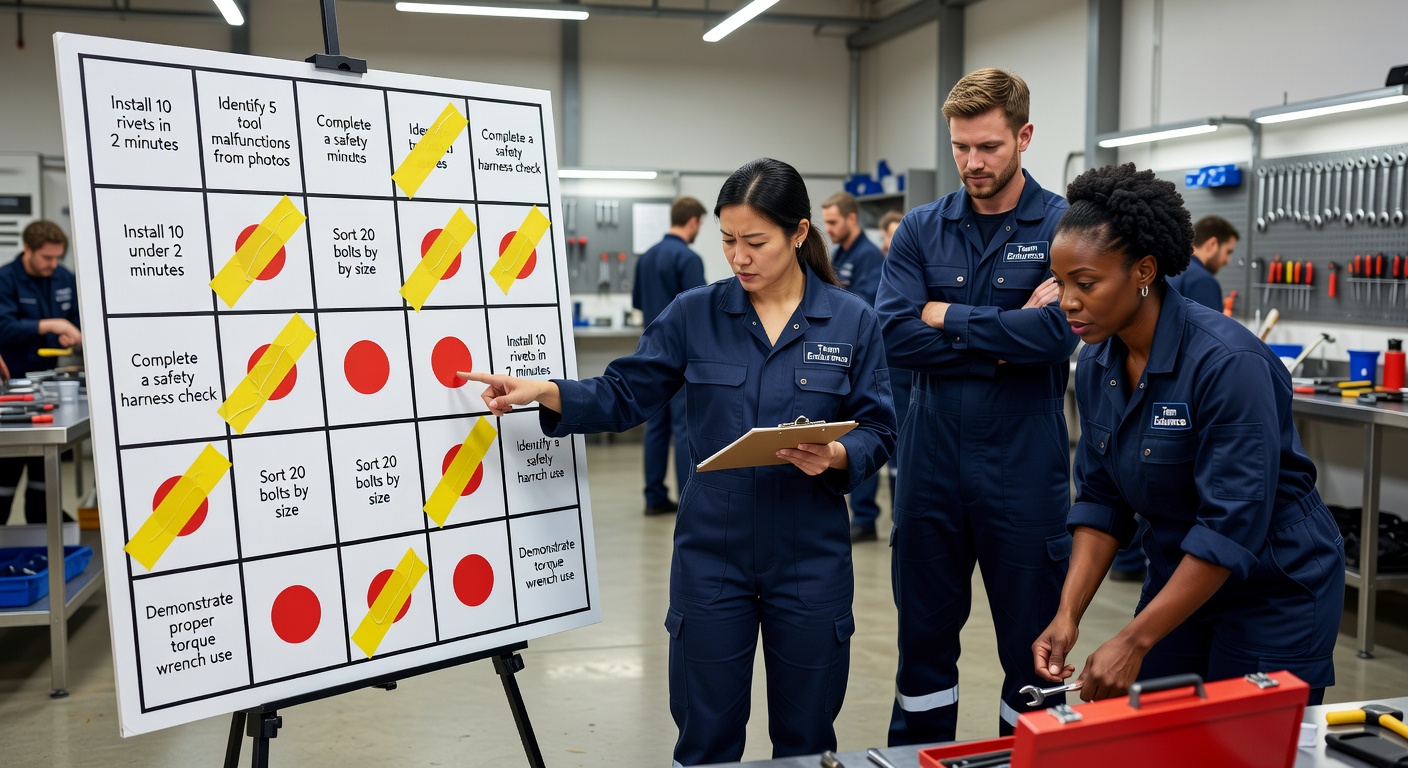
Strategies That Sharp Players Employ to Conquer the Full Card
While pure chance governs draws, experts who've analyzed thousands of sessions recommend buying more cards—up to 24 comfortably manageable without errors—since data indicates this boosts win probability linearly up to overload points. Focus shifts to card selection too; high-density cards with clustered numbers in columns reduce late-game voids, although regulations cap pre-printed variances. And during play, tracking called numbers via personal boards helps spot hot columns, like when B balls cluster early, clearing left sides faster.
Take one case from a Las Vegas tournament where a player daubed 18 cards meticulously, winning a $50,000 Coverall after 82 calls by prioritizing edge squares that often lag; such tactics, per gaming math models, edge odds by 15-20% over random play. Yet, the real edge comes from stamina—staying sharp past the hour mark, when fatigue claims sloppy marks, a pitfall Nevada Gaming Control Board reports in 12% of disputed Coverall claims annually.
So, layering buys with pattern awareness turns endurance into advantage, although purists argue it's all luck, given immutable probabilities.
Variations and Twists Keeping Coverall Fresh Across Borders
Standard Coverall sticks to full blackout, but twists proliferate: Super Coverall demands wins within set calls, like under 50, offering consolation pots for near-misses, while Progressive Coverall seeds jackpots at $500, escalating $100 per rollover until claimed, a format exploding in popularity. In Europe, 90-ball Coverall—full house on 9x3—caps at two lines first, full last, blending speed with endurance; Australian clubs add magic numbers or community patterns atop full coverage for layered wins.
Electronic bingo amps this with community Coveralls linking hall-wide players, where one winner splits mega-pots, as seen in April 2026 when a Toronto network hit CAD 250,000 after 92 calls, per local reports. That's where the rubber meets the road: variations sustain engagement, preventing burnout in marathon formats.
The Surge in Popularity: Stats and Recent Highs
Figures reveal Coverall's grip tightening; US tribal halls logged 22% revenue growth from Coverall progressives in 2025, per industry trackers, with average pots surpassing $10,000 routinely. Observers note a post-pandemic rebound, as hybrid online-offline platforms simulate hall tension, drawing 40% more Coverall entries than pre-2020 levels. In Australia, club data shows Coverall outselling other patterns 2:1 during peak nights, fueled by social media shares of epic wins.
April 2026 spotlighted this trend when a Florida senior center's Coverall shattered local records at $78,000 after 101 calls—the longest verified that month—prompting sellouts for weeks after. Globally, participation climbs 8% yearly, research indicates, as operators tout it for big thrills amid smaller game saturation.
Regulations Shaping Safe Play in Endurance Games
Operators navigate strict oversight to ensure fairness; in the US, tribal compacts mandate audited random number generators for Coverall draws, while Canadian provinces enforce payout minimums at 70% of sales. Australian states require session limits to curb marathon risks, with New South Wales data showing Coverall caps at three hours preventing exhaustion-related issues. Prizes tier by guarantee—must-hit-by amounts trigger forced wins—balancing house edges around 25%, stats confirm.
It's noteworthy that these rules foster trust, as verified wins via video review slash disputes by 60%, according to regional audits. Players benefit from transparent progressives displayed live, fueling the chase.
Wrapping Up the Full House Phenomenon
Coverall bingo endures as the ultimate test where patience meets probability, demanding total coverage amid mounting calls, yet rewarding victors with outsized glory and gold. From historic hall fillers to 2026 record-breakers, its mechanics, strategies, and global tweaks keep packs coming back, proving every square truly counts in this timeless chase. As halls evolve with tech and trends, the blackout thrill persists, a staple where the last daub writes the story.