Tracing How Venue Acoustics Shape Caller Clarity and Player Response Times in Physical Bingo Settings
Petra Schmitt · May 29, 2026
Tracing How Venue Acoustics Shape Caller Clarity and Player Response Times in Physical Bingo Settings
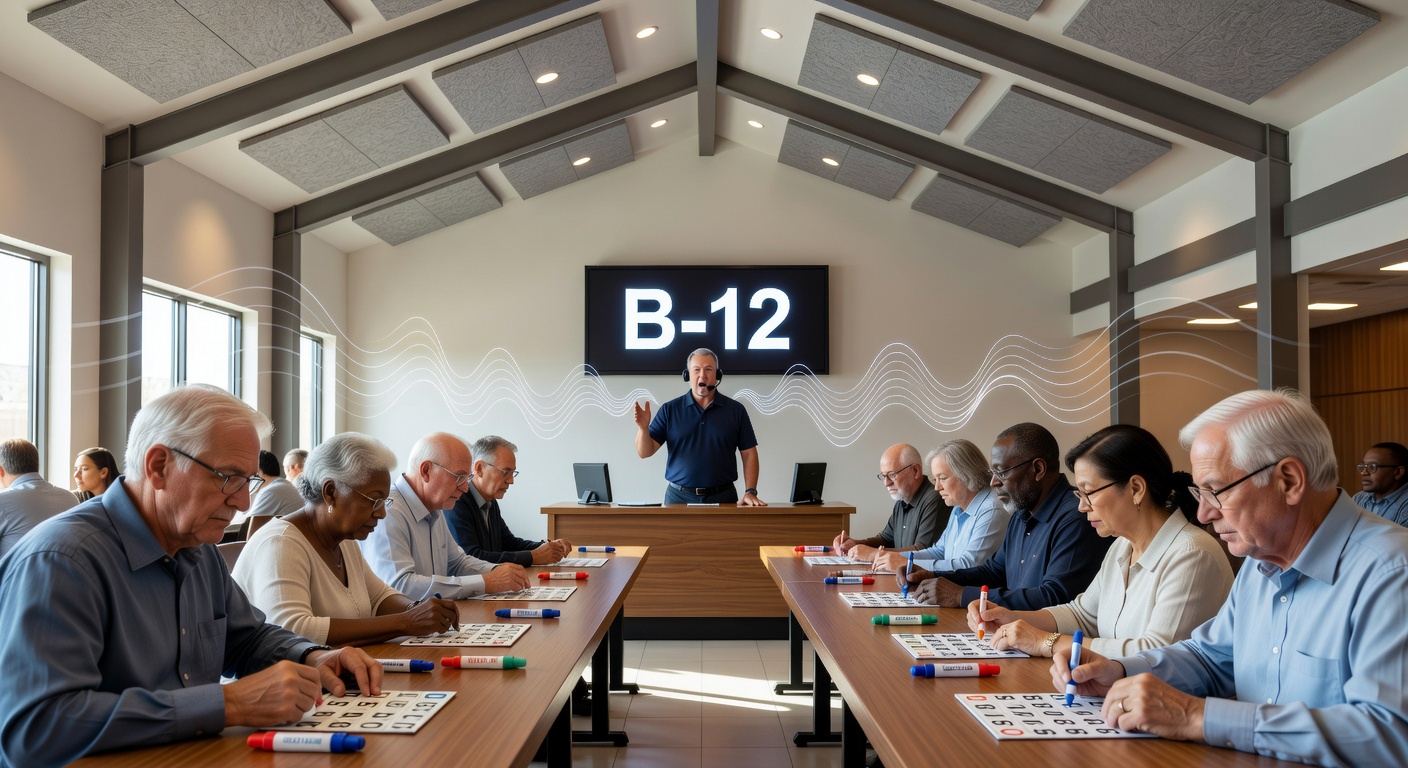
Physical bingo halls present unique acoustic challenges where the interaction between room design, surface materials, and crowd dynamics directly influences how clearly callers deliver numbers while players attempt to mark cards in time. Observers note that older venues built with hard surfaces such as concrete floors and untreated walls often create excessive reverberation that muddles spoken announcements, whereas newer facilities incorporate absorptive panels and strategic ceiling baffles to reduce echo buildup. Data from acoustic assessments conducted in North American bingo operations reveal that reverberation times exceeding 1.5 seconds correlate with increased instances of players requesting number repeats during sessions.
Core Acoustic Elements in Bingo Environments
Sound propagation in these spaces depends on multiple variables including ceiling height, seating density, and background noise from ventilation systems or adjacent gaming areas, and researchers have documented how each factor compounds the others in real-world conditions. High ceilings with reflective surfaces allow sound waves to bounce repeatedly before reaching listeners at the back of the hall, which stretches the time between the caller's voice leaving the microphone and arriving at a player's ear. Studies from the Acoustical Society of America demonstrate that speech intelligibility drops sharply once ambient noise levels climb above 65 decibels, a threshold commonly surpassed during peak attendance periods when hundreds of participants shuffle cards and converse between rounds.
Background chatter creates a masking effect that overlaps with the caller's frequency range, making consonants like "B" and "N" harder to distinguish even for those with normal hearing, while players seated farther from speakers experience additional attenuation that further delays comprehension. Venue operators have responded by installing directional speaker arrays that focus sound toward seating sections rather than allowing omnidirectional diffusion, and measurements taken after such upgrades show measurable reductions in repeat requests per game.
Impact on Caller Clarity and Player Response
Caller clarity suffers most when echo trails overlap subsequent numbers, forcing experienced callers to insert longer pauses that slow overall game pace yet still leave some participants uncertain about which number was announced. Response times lengthen accordingly because players must first resolve auditory confusion before locating and daubing the correct space, and timing studies conducted in Canadian bingo facilities indicate average marking delays increase by 0.8 seconds per number when reverberation exceeds recommended limits. These delays accumulate across a full card, extending game duration and reducing the number of rounds completed within a standard evening session.
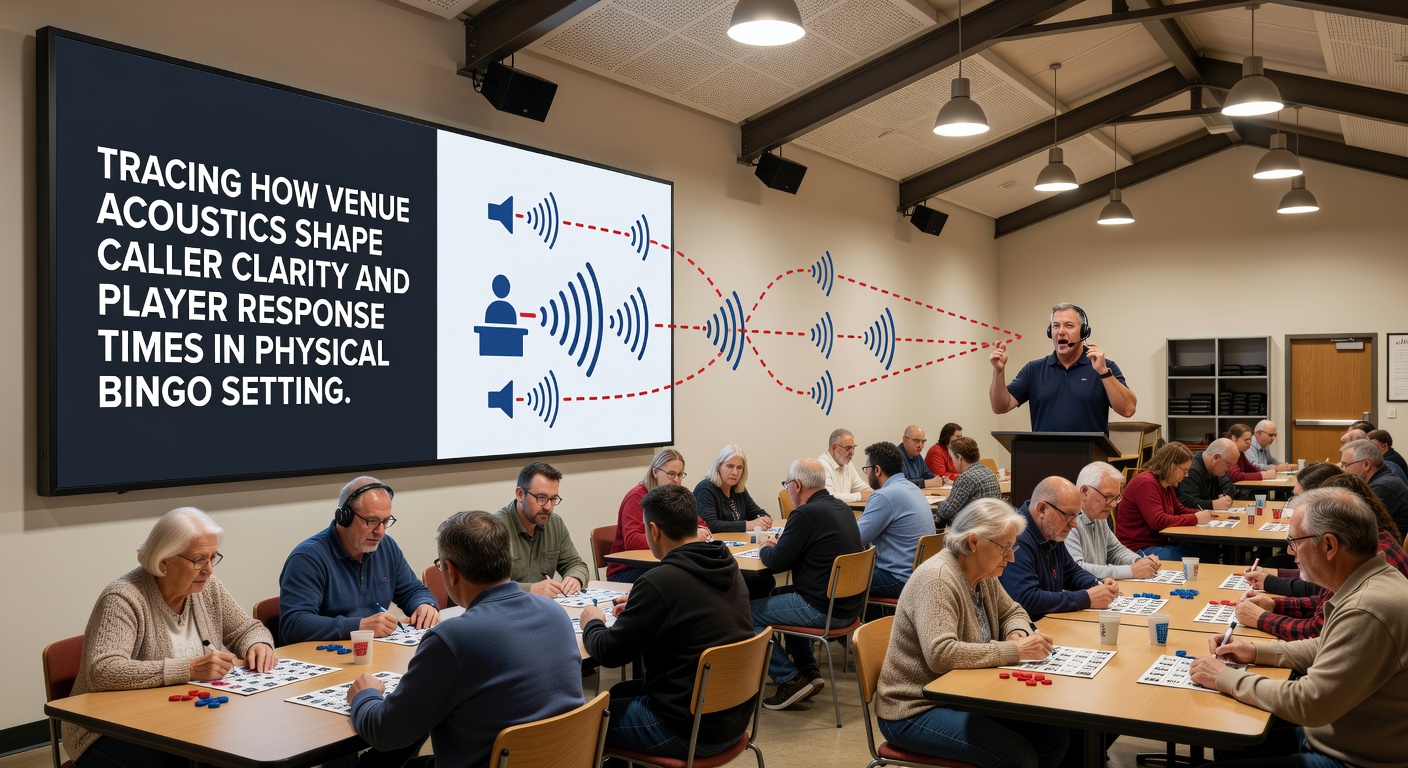
Players with age-related hearing loss face compounded difficulties since many bingo participants fall into demographics where high-frequency sensitivity has already declined, and acoustic modeling shows that rooms lacking low-frequency absorption allow rumble from HVAC systems to mask the very frequencies callers rely upon for clear enunciation. Facilities that introduced zoned sound reinforcement systems reported shorter average response intervals across all age groups, with the greatest improvement observed among those seated in traditionally problematic rear sections.
Measurement Approaches and Industry Data
Acoustic consultants employ standardized speech transmission index testing to quantify how well spoken numbers travel through specific venues, and results from multiple sites indicate that halls scoring below 0.6 on this index experience noticeably slower player reactions during live play. In May 2026 several regional gaming associations began sharing anonymized performance metrics collected from member locations, allowing operators to compare acoustic conditions against response time benchmarks without disclosing proprietary attendance figures. These datasets highlight consistent patterns where venues that invested in absorptive materials and calibrated sound systems achieved faster average marking speeds compared with untreated spaces of similar size.
European operators have explored similar approaches through partnerships with technical universities that specialize in room acoustics, and preliminary findings suggest that combining ceiling clouds with strategic carpet placement yields the most cost-effective improvements for mid-sized halls. Such modifications address both direct sound paths from caller to listener and indirect reflections that otherwise create competing auditory signals.
Conclusion
Venue acoustics therefore function as an invisible but measurable component that shapes every aspect of live bingo play from the moment a caller begins speaking until the final daub occurs on each card. Continued collection of response time data alongside acoustic measurements will help operators identify which design interventions deliver the strongest returns in clarity and speed, and ongoing collaboration between acoustic specialists and gaming venues promises more consistent experiences for players regardless of seating position.