The Rhythm Behind the Numbers: How Caller Pacing Shapes Pattern Success in Mixed-Age Bingo Sessions
Jonas Schmitz · Jul 6, 2026
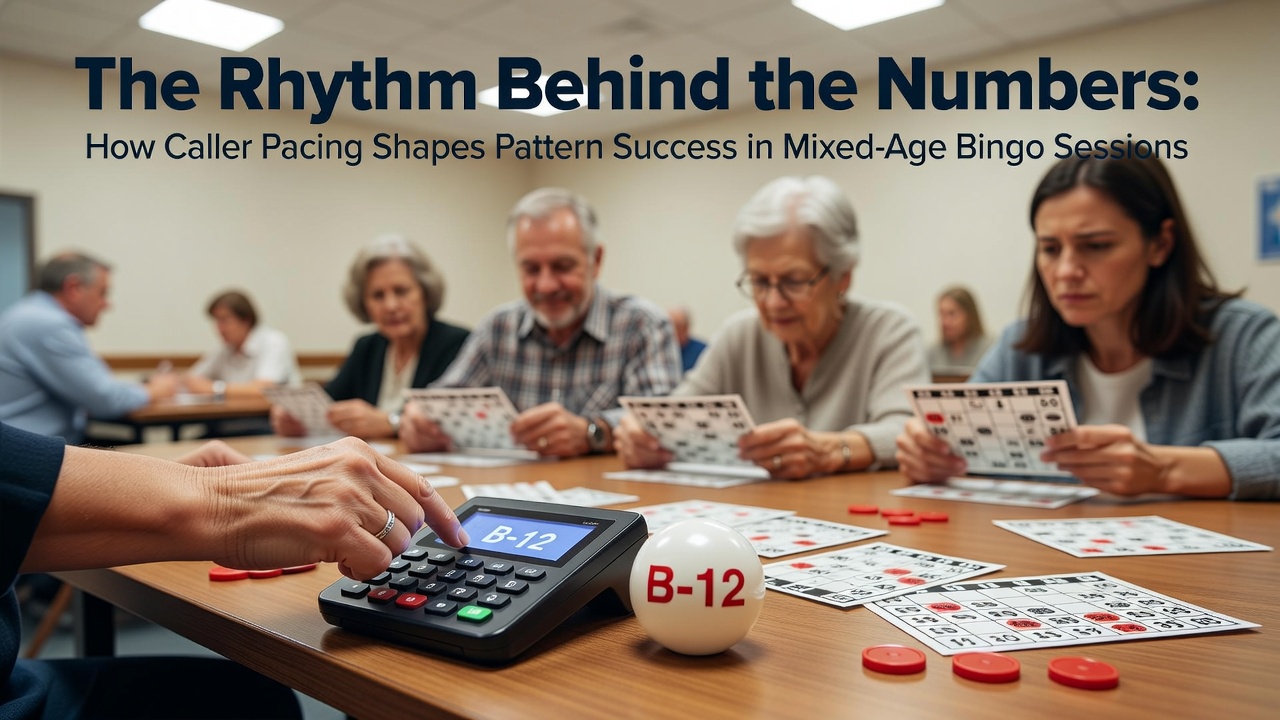
The Rhythm Behind the Numbers: How Caller Pacing Shapes Pattern Success in Mixed-Age Bingo Sessions
Caller pacing in bingo refers to the speed and rhythm at which numbers get announced during a game, and this element directly influences how players complete patterns across different age groups. Data from venue records shows that sessions mixing players from 18 to 85 years old experience varied completion rates when pacing shifts even slightly. Researchers have documented that a consistent rhythm allows older participants more time to scan cards while maintaining engagement for younger players who track multiple cards simultaneously.
Understanding Caller Pacing Mechanics
Callers typically adjust their delivery based on the number of players and the complexity of active patterns, such as lines, full houses, or specific shapes. Studies indicate that intervals between numbers often range from 3 to 8 seconds, with shorter gaps favoring rapid pattern recognition in digital formats and longer pauses supporting manual verification in physical halls. Observers note that pacing changes become especially noticeable when transitioning between single-line wins and more demanding coverall games, where cumulative fatigue affects accuracy differently across age demographics.
Age-Related Response Variations
Mixed-age sessions present unique challenges because auditory processing speeds differ, with evidence suggesting older adults benefit from pauses that allow full number confirmation before the next call. Younger players meanwhile adapt to quicker rhythms without losing track, though excessive speed correlates with higher error rates in pattern tracking according to session logs compiled in community centers. Data collected across multiple regions reveals that groups containing balanced age distributions achieve optimal pattern success when callers maintain an average of 5-second intervals, a figure drawn from analyses conducted through mid-2026.
Patterns and Completion Dynamics
Pattern success hinges on how pacing aligns with the visual and cognitive demands of each bingo variant. For instance, diagonal patterns require faster scanning in some cases, whereas block formations demand sustained attention that slower pacing supports. Figures from industry monitoring show completion percentages rising by up to 12 percent in mixed sessions when callers incorporate brief rhythmic adjustments, such as extending pauses after every fifth number. Those who have reviewed session transcripts find that such modifications reduce instances where players miss called numbers due to overlapping announcements.
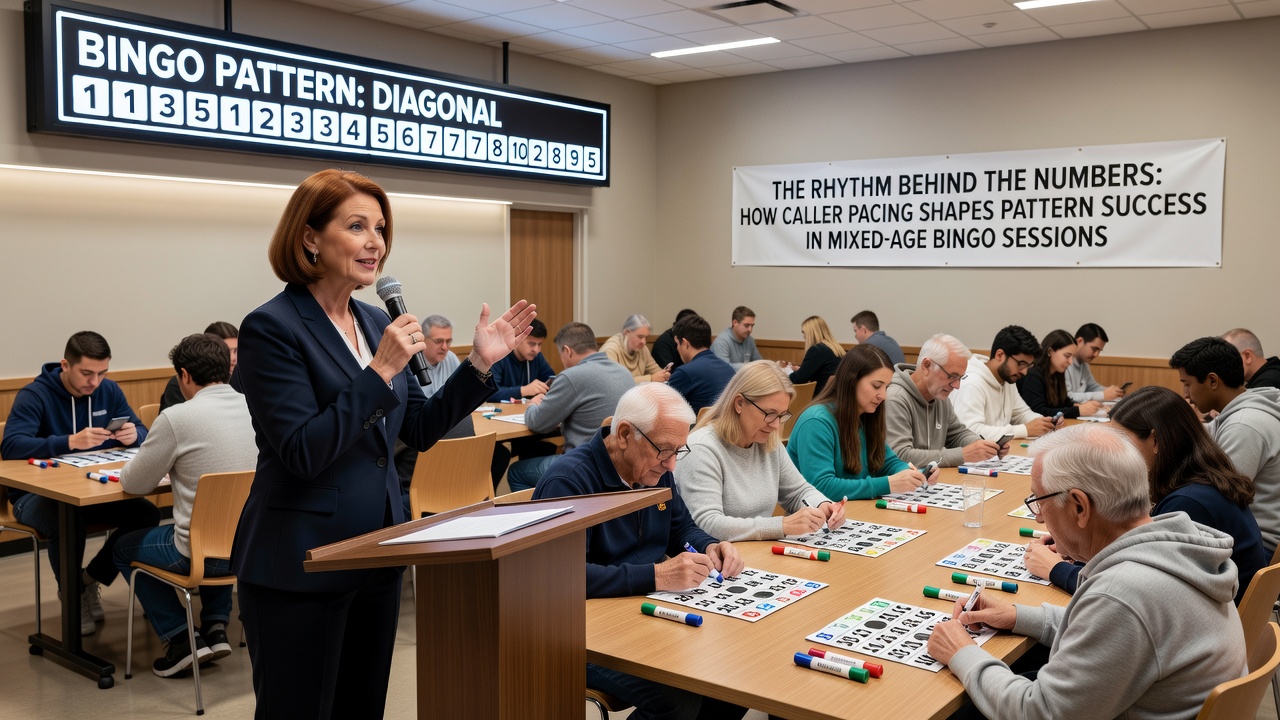
What's significant is the role of these adjustments in preventing drop-off among senior participants without slowing overall game flow for others. In July 2026, reports from several North American operators highlighted how targeted pacing protocols improved retention metrics during evening mixed sessions, particularly when patterns involved sequential number dependencies.
Research Insights on Pacing Effects
Academic examinations of bingo environments, including those referenced in cognitive performance studies, demonstrate clear links between call rhythm and recognition accuracy. A report published through resources at the Alberta Gaming, Liquor and Cannabis Commission outlines how controlled pacing experiments in community settings yielded measurable differences in pattern completion across age brackets. Similarly, data compiled by the National Council on Problem Gambling in the United States points to pacing as a factor in sustained player focus during extended play periods.
Those tracking venue statistics often discover that sessions with variable pacing produce fewer incomplete patterns when callers receive training on demographic cues. Evidence suggests older players respond positively to deliberate enunciation paired with measured pauses, whereas groups with higher proportions of younger participants maintain momentum under moderately accelerated delivery. This interplay becomes evident in regional adaptations where venues adjust protocols seasonally to accommodate fluctuating attendance patterns.
Practical Applications in Current Sessions
Operators implementing pacing guidelines report enhanced pattern success rates when they monitor real-time feedback from diverse player groups. In practice this involves starting at a moderate tempo and modulating based on observed marking speeds, a technique validated through ongoing data collection at halls serving mixed populations. Researchers have observed that such adaptive approaches minimize disparities in achievement between age cohorts while preserving the game's inherent pace.
Future Considerations for Venues
Projections based on 2026 trends indicate continued emphasis on pacing optimization as mixed-age participation grows. Venues adopting these methods see consistent improvements in overall session metrics, with particular gains noted in pattern-heavy formats that reward steady rhythm over speed alone. Observers continue to document these shifts through attendance and completion records, providing a factual basis for refinements in caller training programs.
Conclusion
The connection between caller pacing and pattern success in mixed-age bingo sessions rests on documented variations in player response and completion data. Evidence from multiple sources confirms that thoughtful rhythm adjustments support broader participation and higher achievement rates across demographics. As sessions evolve, the focus remains on aligning delivery speed with the needs of all players involved.