Mapping Ambient Sound Patterns and Their Role in Player Focus During Live Community Bingo Sessions
Jonas Schmitz · Jun 17, 2026
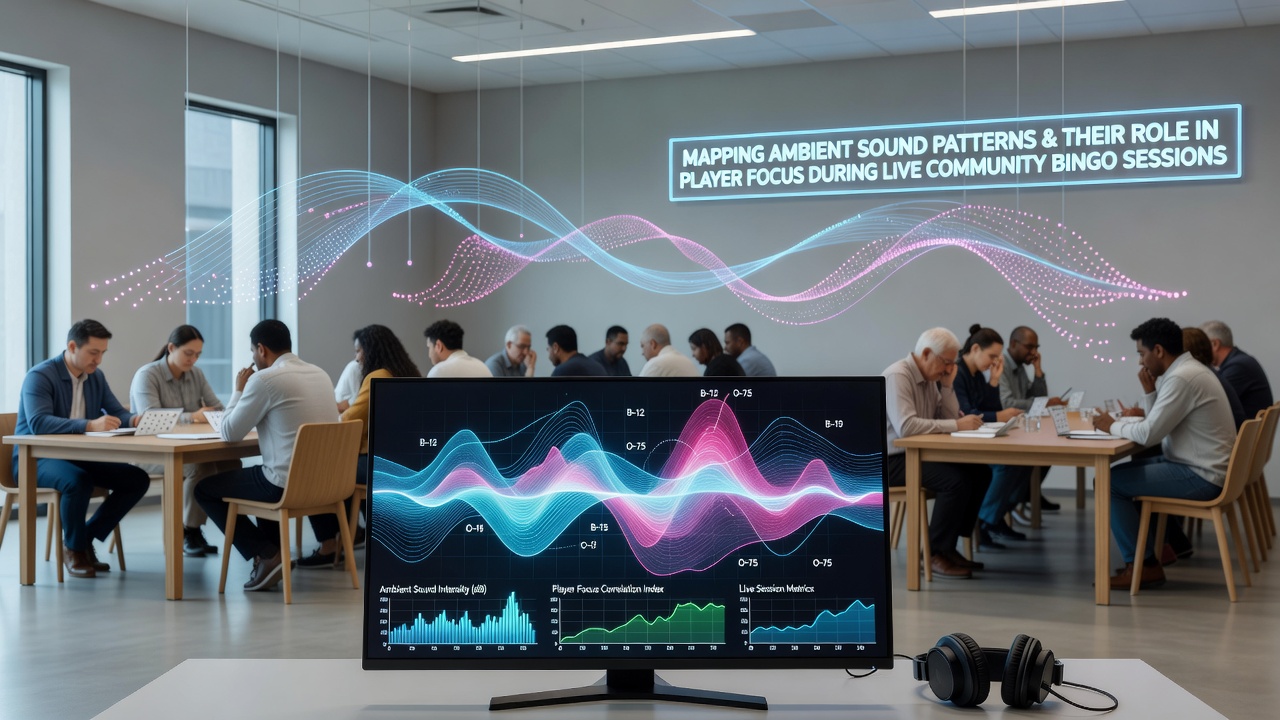
Mapping Ambient Sound Patterns and Their Role in Player Focus During Live Community Bingo Sessions
Community bingo sessions take place in venues where multiple sound sources overlap at once, and researchers have begun mapping these ambient patterns to see how they shape player concentration during number calls and pattern completions. Data collected from halls across North America and Europe shows that background elements like chair movements, conversations, and ventilation systems create distinct acoustic layers that either support or disrupt focus depending on their frequency and timing.Techniques Used to Map Sound Environments
Acoustic specialists employ microphone arrays and software tools to record sound pressure levels at different points throughout bingo halls, and these recordings reveal clusters of low-frequency hums from air conditioning units alongside intermittent high-frequency bursts from caller microphones. Studies conducted in 2025 demonstrated that mapping these elements allows organizers to identify zones where sound interference peaks during peak attendance hours, particularly when sessions run into evening periods when external traffic noise adds another variable layer.
One approach involves dividing the venue floor into grids and measuring decibel variations at each intersection point, while another method uses real-time spectrum analysis to track how voices carrying numbers interact with ambient chatter from players marking cards. Observers note that such detailed mappings help pinpoint moments when a sudden door slam or laughter spike coincides with critical number announcements, and facilities that adjust layouts based on these maps report measurable shifts in player response accuracy.
How Sound Patterns Influence Concentration Levels
Players maintain focus through repeated auditory cues from the caller, yet ambient sounds that fall within similar frequency ranges can mask those cues or create momentary distractions that delay pattern recognition. Research indicates that steady background noise at moderate levels sometimes aids concentration by creating a consistent auditory buffer, whereas irregular spikes in volume lead to increased error rates in number verification tasks. In June 2026, findings presented at an international acoustics meeting highlighted how certain rhythmic elements in venue noise, such as repetitive foot tapping or shuffling cards, align with typical game pacing adn either reinforce or compete with the caller's rhythm.
Those who have analyzed player performance data across multiple sessions found that individuals seated near high-traffic pathways experience more frequent attention shifts when conversations overlap with announcements, and this pattern holds across age groups participating in community events. Venues that implemented sound-absorbing panels in identified problem areas observed steadier engagement metrics without altering the social atmosphere that draws participants to live sessions.
Examples from Different Regions and Venues
Take one Canadian community center where staff mapped sound patterns during weekly bingo nights and discovered that heating system cycles created predictable dips in caller clarity every twelve minutes, prompting a simple timing adjustment that aligned game rounds with quieter intervals. Similar work in Australian halls revealed that outdoor market noise filtering through open windows during summer months produced distinct spatial variations in focus levels, leading organizers to rotate seating assignments based on acoustic profiles rather than traditional preferences.
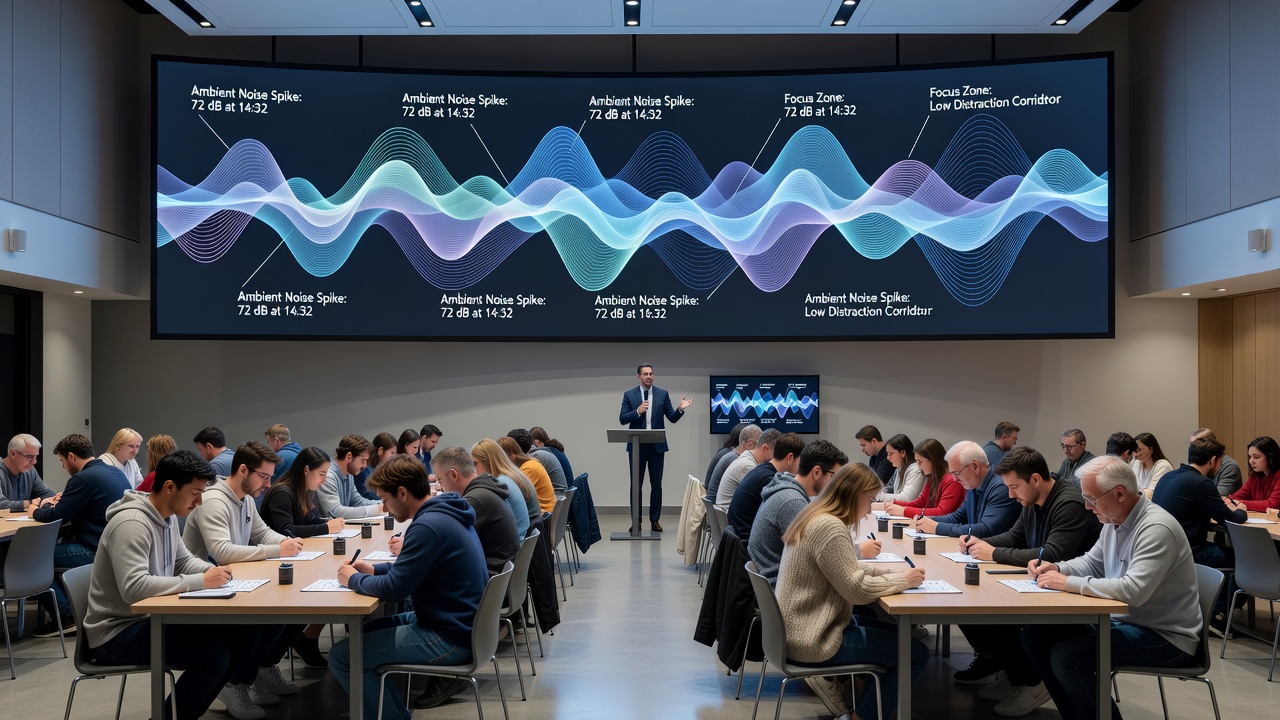
European facilities have incorporated wearable sensors in pilot programs to track individual heart rate variability as a proxy for focus during games, and these devices correlate spikes in ambient sound complexity with momentary lapses in marking accuracy. Data from these trials shows that younger participants adapt more quickly to fluctuating soundscapes while older groups benefit from targeted quiet zones near the caller station.
Applications in Venue Design and Technology
Modern bingo operators now integrate sound mapping software into their planning processes, and this allows real-time adjustments to microphone levels or seating arrangements when patterns indicate rising interference risks. Industry reports from the Acoustical Society of America outline how digital modeling tools predict how new furniture arrangements or partition additions will alter existing sound distributions before physical changes occur.
Some venues have begun testing directional speakers that focus caller audio toward specific table clusters while minimizing spillover into background areas, and preliminary results suggest these systems reduce the masking effects of ambient chatter without requiring players to wear headsets. Researchers continue to explore connections between mapped sound profiles and overall session duration, noting that halls with balanced acoustic environments sustain participation rates more consistently across multi-hour events.
Conclusion
Mapping ambient sound patterns provides concrete data that helps community bingo operators refine environments for better player focus, and ongoing work in this area combines traditional acoustic measurement with emerging sensor technologies to address the specific challenges of live group settings. As more venues adopt these approaches, the relationship between sound distribution and game performance becomes clearer through accumulated evidence from diverse locations and participant groups.