How Visual Layouts on Bingo Cards Influence Recognition Speed During Multiplayer Digital Sessions
Dana Schmitt · Jun 1, 2026
How Visual Layouts on Bingo Cards Influence Recognition Speed During Multiplayer Digital Sessions
Digital bingo platforms rely on structured visual arrangements that guide players through numbered grids during simultaneous sessions with multiple participants, and researchers have examined how these arrangements affect the time required for number identification and pattern completion. Observers note that standard 5x5 grids remain common across many systems while variations in spacing, numbering sequences, and marker styles appear in different regional adaptations.
Grid Configurations and Their Effects on Visual Scanning
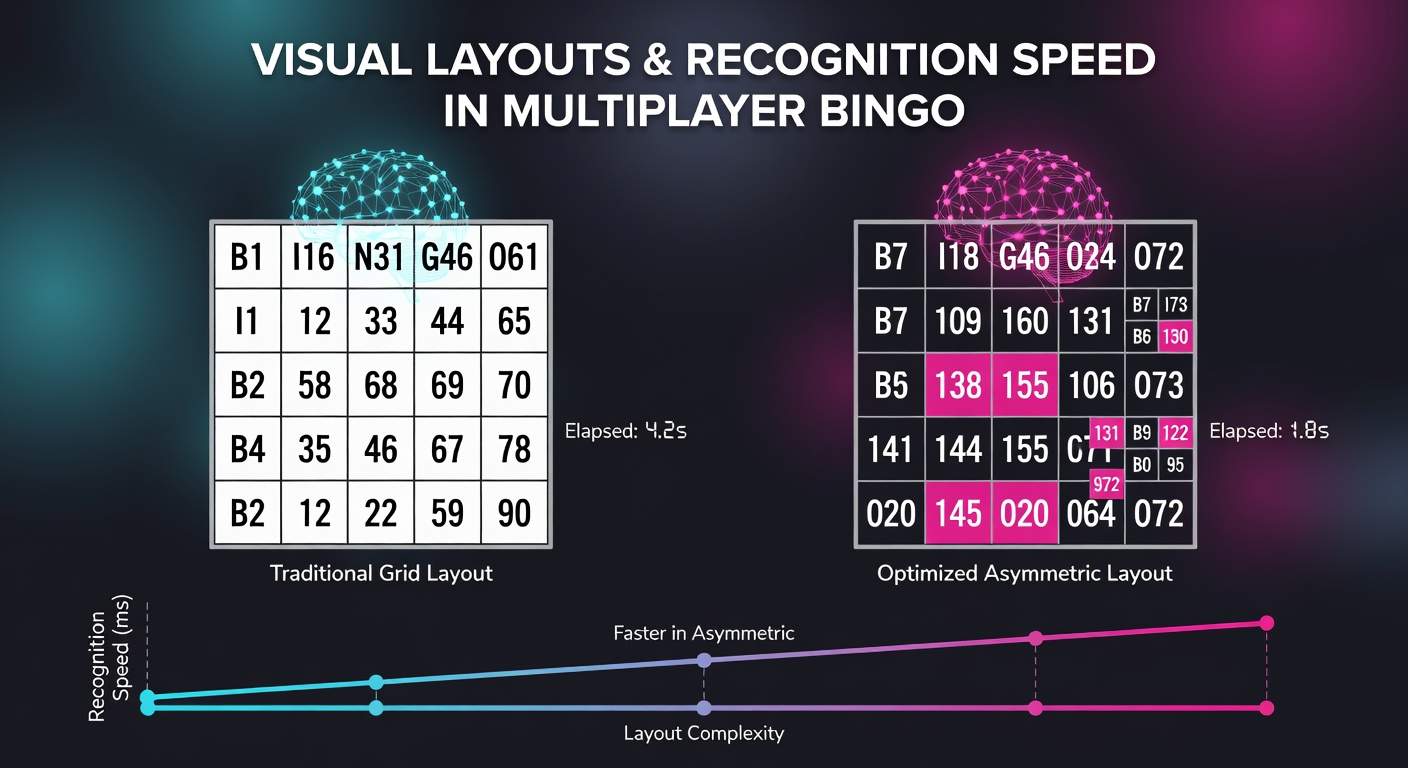
Traditional bingo cards follow fixed column ranges where the B column holds numbers 1 through 15 and subsequent columns progress accordingly, yet digital versions often adjust spacing or introduce subtle alignment shifts that influence how quickly eyes move across rows. Data from visual cognition studies shows that evenly distributed cells with consistent padding reduce search times compared to denser arrangements where numbers cluster closer together. Players in large multiplayer rooms encounter these layouts repeatedly, and evidence suggests that familiar grid patterns allow faster initial orientation when new cards load on screen.
Some platforms experiment with staggered or offset designs that break strict alignment, and findings from perception research indicate these changes can either slow recognition when players must adjust scanning habits or accelerate it when contrast between cells increases. In June 2026, aggregated session logs from several European operators revealed average recognition intervals dropped by nearly 12 percent on cards using wider cell margins, although results varied depending on player experience levels.
Color Usage, Contrast Levels, and Marker Visibility
Color choices on digital bingo cards extend beyond decoration because they determine how readily marked numbers stand out against unmarked ones during fast-paced rounds. High-contrast combinations such as dark numbers on light backgrounds paired with bright daubers enable quicker verification, whereas low-contrast palettes demand more deliberate focus. Industry reports compiled by the North American Association of Gaming Regulators document that platforms adopting standardized contrast ratios experience fewer missed calls in high-volume sessions.
Additional elements like animated daub effects or temporary highlights appear in certain interfaces, and these features interact with layout density to either support rapid confirmation or create momentary visual overload. One study conducted at the University of Melbourne tracked eye movements across different color schemes and found that players identified complete lines faster when dauber colors complemented the underlying grid rather than competing with it.
Multiplayer Session Dynamics and Shared Visual Cues
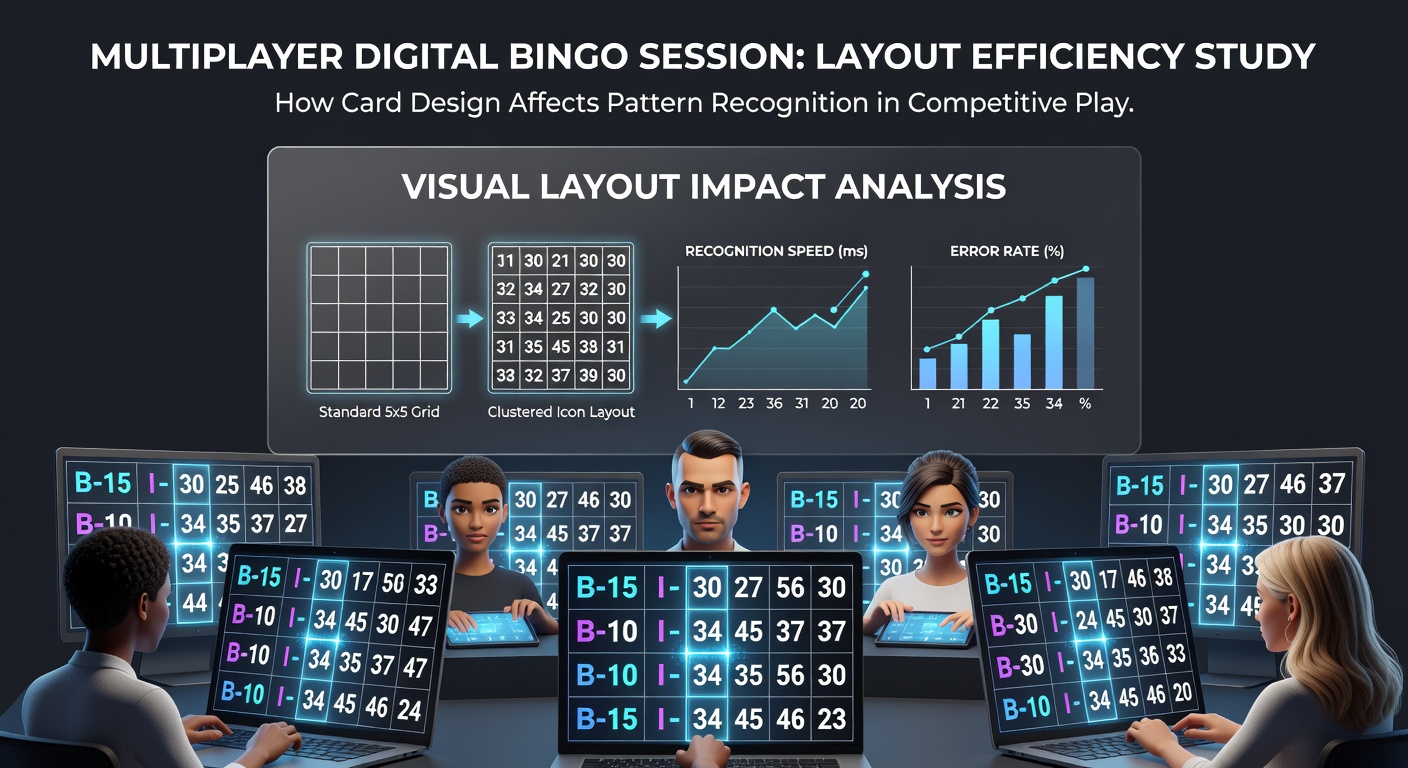
During simultaneous play across dozens or hundreds of participants, visual consistency across cards becomes critical because players often compare their progress against others through leaderboards or shared win notifications. When layouts maintain uniform numbering positions, recognition speed remains stable even as social elements like chat overlays appear on screen. Disruptions arise when individual cards introduce unique visual themes that force players to reorient each round.
Platform developers have tested adaptive layouts that adjust based on device screen size, and preliminary figures from Canadian gaming authorities show reduced average response times on responsive designs that preserve cell proportions regardless of orientation. Those who monitor session analytics observe that consistent marker placement relative to card edges supports quicker pattern detection amid the distractions common in group environments.
Technological Factors Shaping Layout Implementation
Rendering engines and interface frameworks determine how precisely layouts translate from design to player view, with frame rate stability and loading sequences affecting perceived clarity during peak hours. Research published through teh International Journal of Human-Computer Studies links smoother rendering pipelines to measurable gains in number recognition speed, particularly when cards update in real time as numbers are called. Operators integrate accessibility options such as enlarged text or simplified grids for specific user groups, and these modifications demonstrate that layout flexibility can accommodate varying visual processing speeds without altering core gameplay rules.
Cross-device compatibility testing continues to reveal differences between mobile and desktop presentations, where touch targets and zoom behaviors interact with grid spacing. Data collected across multiple jurisdictions indicates that standardized layout guidelines help maintain recognition consistency even as new hardware enters the market.
Conclusion
Visual layouts on bingo cards directly shape how quickly participants process information in digital multiplayer settings through their influence on scanning patterns, contrast effectiveness, and adaptability across devices. Continued examination of these elements supports refinements that align with observed player behaviors while preserving the structural integrity of the game across different platforms and regions.