Folkestone Council Approves Controversial 24-Hour Bingo Hall on Sandgate Road Despite Local Outcry
Dana Schmitt · Apr 22, 2026

Folkestone Council Approves Controversial 24-Hour Bingo Hall on Sandgate Road Despite Local Outcry
Observers note how long-vacant commercial spaces in coastal towns like Folkestone often spark debates when revival plans surface, and that's exactly what unfolded last week when the Folkestone and Hythe District Council’s planning committee narrowly greenlit a transformation project for units at 28-30 Sandgate Road; the proposal, submitted by applicant Mr. Wilson, aims to turn the site into a round-the-clock bingo hall and gaming arcade complete with six bingo tables designed for up to four players each, 44 gaming machines, and a fully stocked bar.
What's interesting is that this approval came amid vocal pushback from residents and councillors alike, who raised alarms about potential 24/7 disturbances in a neighborhood dotted with nearby flats, although noise assessments clocked levels at 66.6 decibels inside the venue with negligible external leakage; the decision, reached during a heated committee meeting, highlights the tight balance councils strike between economic revitalization and community harmony.
The Vacant Site's Long Wait for New Life
Sandgate Road, a bustling stretch in Folkestone's town center, has seen its share of empty storefronts over the years, and units 28-30 stood empty for an extended period, drawing eyes from passersby who wondered when something viable might fill the gap; local business watchers point out that such vacancies can drag down foot traffic along high streets, making proposals like Mr. Wilson's particularly noteworthy because they promise jobs, activity, and a draw for evening crowds in an area craving vibrancy.
Turns out the site's history includes previous retail uses, but details on exact timelines remain sparse in public records; what stands out, however, is how the planning application positioned the bingo hall as a low-key entertainment option, one that could operate seamlessly from dawn till dusk—or rather, around the clock—without the flashier elements of larger casinos, focusing instead on traditional bingo setups alongside slot-style gaming machines.
And while Folkestone's gaming landscape already features established venues, this addition targets a niche for non-stop access, potentially appealing to shift workers or insomniacs in the district; data from similar approvals elsewhere shows such 24-hour operations often boost local economies by extending operating hours beyond typical 9-to-5 constraints.
Inside the Proposed Bingo Hall Setup
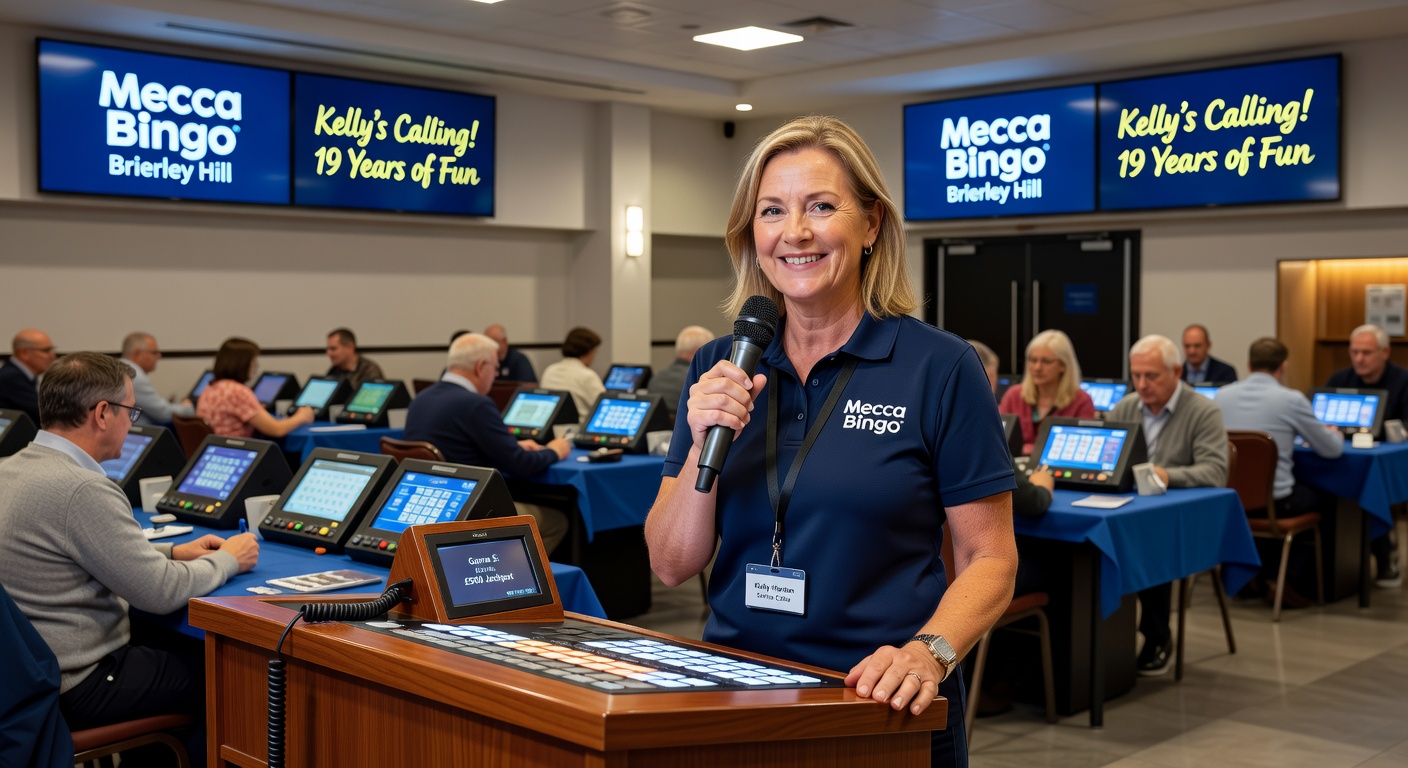
Plans detail a layout optimized for both bingo enthusiasts and casual gamers: six tables, each accommodating up to four players, form the heart of the space, allowing for sessions that cater to small groups who prefer the social buzz of calling numbers and marking cards; surrounding these, 44 gaming machines offer variety, from classic fruit slots to modern video variants, all compliant with UK Gambling Commission standards that mandate age verification and responsible play features.
The bar rounds out the amenities, serving non-alcoholic drinks primarily but with provisions for licensed alcohol sales during set hours, a common setup in UK arcades to enhance dwell time without dominating the floor; architects rendered the interior with soundproofing in mind, incorporating acoustic panels and sealed windows to contain the chatter, machine dings, and occasional cheers that define such venues.
It's noteworthy that the application emphasized minimal external changes—no garish signage or expansions planned—keeping the facade in line with Sandgate Road's existing aesthetic, which helped sway some committee members wary of visual blight; figures from the noise report, pegged at 66.6dB internally, align with levels found in typical libraries or offices, underscoring the controlled environment bidders promised.
Tensions Rise at the Planning Committee Meeting
Last week's gathering of the Folkestone and Hythe District Council’s planning committee turned into a flashpoint, with members poring over submitted documents, applicant presentations, and public testimonies for hours on end; the vote, ultimately passing by a slim margin, reflected divisions that ran deep, as supporters highlighted the site's dormant status and the jobs it could create—estimated at a handful of full-time roles plus part-timers—while detractors painted a grim picture of sleepless nights for flat dwellers nearby.
Cllr Anita Jones emerged as a leading voice against, arguing the 24-hour nature spelled trouble in a residential-adjacent spot, and labeling it a "recipe for disaster" that might cheapen the town's image; residents echoed those sentiments during the public forum, citing fears of rowdy groups spilling onto streets at odd hours, increased litter, or even vulnerability for lone players late at night, although no specific incident data from comparable sites was presented to counter those claims.
But here's the thing: committee chair and fellow members weighed the evidence, including environmental health reports confirming low noise bleed—essentially inaudible beyond the walls—and assurances from Mr. Wilson that security measures like CCTV, staff patrols, and capacity limits would mitigate risks; one observer noted how the discussion pivoted on regeneration needs, with Folkestone's council documents revealing ongoing efforts to fill empty units amid post-pandemic recovery pressures in April 2026.
Key Objections and the Data That Countered Them
Opposition zeroed in on three fronts: noise, antisocial behavior, and proximity to homes; the 66.6dB figure, measured during simulated peak operations, fell well below thresholds for complaint triggers, and external monitoring showed leakage under 30dB—quieter than a whisper—thanks to double-glazed reinforcements and ventilation systems designed for silence.
Residents worried about flats overlooking the entrance, where queues might form during bingo peaks, yet planners countered with historical data from other 24-hour venues indicating rare issues when protocols hold firm; Cllr Jones and allies pushed for time restrictions, perhaps capping operations at midnight, but the committee held to the full 24/7 remit after legal reviews confirmed zoning allowances for such uses in commercial cores.
What's significant is the narrow vote—often described in council recaps as passing on a show of hands with abstentions tipping the scale—signaling unease even among approvers, who appended conditions like mandatory noise audits post-opening and community liaison meetings; coverage of the meeting captured teh raw exchanges, where one resident likened the plan to inviting chaos next door, while proponents invoked the ball in the council's court to revive Sandgate Road.
What Happens Next for Sandgate Road's New Venture
With approval secured, Mr. Wilson now moves to licensing phases, securing a gambling premises license from the council alongside alcohol permissions if pursued; construction timelines, though not publicly detailed, typically span 3-6 months for fit-outs of this scale, meaning doors could swing open by late summer 2026, injecting fresh energy into Folkestone's nightlife.
Experts who've tracked similar projects observe that opening jitters often fade as operations normalize, with operators fine-tuning based on early feedback; here, the venue pledges ties to local charities via bingo proceeds—a staple in UK halls—and staff training on vulnerability spotting, aligning with Gambling Commission's April 2026 guidance updates emphasizing player protection.
Yet challenges linger: nearby traders might watch footfall patterns closely, hoping the arcade draws spenders without deterring families, and residents hold rights to monitor compliance, lodging complaints if promises falter; council enforcement teams stand ready, equipped with the very noise metrics that swayed the vote.
One case from a nearby district revealed how a comparable bingo revival stabilized a high street, boosting adjacent cafes by 15% in evening trade according to business surveys, although direct parallels depend on execution; for Folkestone, this spotlights the rubber meeting the road in balancing leisure growth against quiet enjoyment.
Conclusion
The greenlight for 28-30 Sandgate Road marks a pivotal moment for Folkestone's commercial revival, where a long-empty site gains new purpose as a 24-hour bingo and gaming hub, even as it weathered sharp critiques over noise and disruption; committee records show the decision rested on robust assessments—like the contained 66.6dB levels—and regeneration imperatives, setting the stage for monitoring ahead.
Those following district planning know outcomes hinge on follow-through, with Mr. Wilson's team now tasked to deliver a venue that honors both economic lifts and neighborly peace; in April 2026's climate of cautious reopenings, this story underscores how councils navigate tough calls, one narrow vote at a time, potentially scripting Sandgate Road's next chapter in lights and numbers.