Demographic Variations Prompt Slang Modifications in Virtual Bingo Spaces
Dana Schmitt · Aug 5, 2026
Demographic Variations Prompt Slang Modifications in Virtual Bingo Spaces
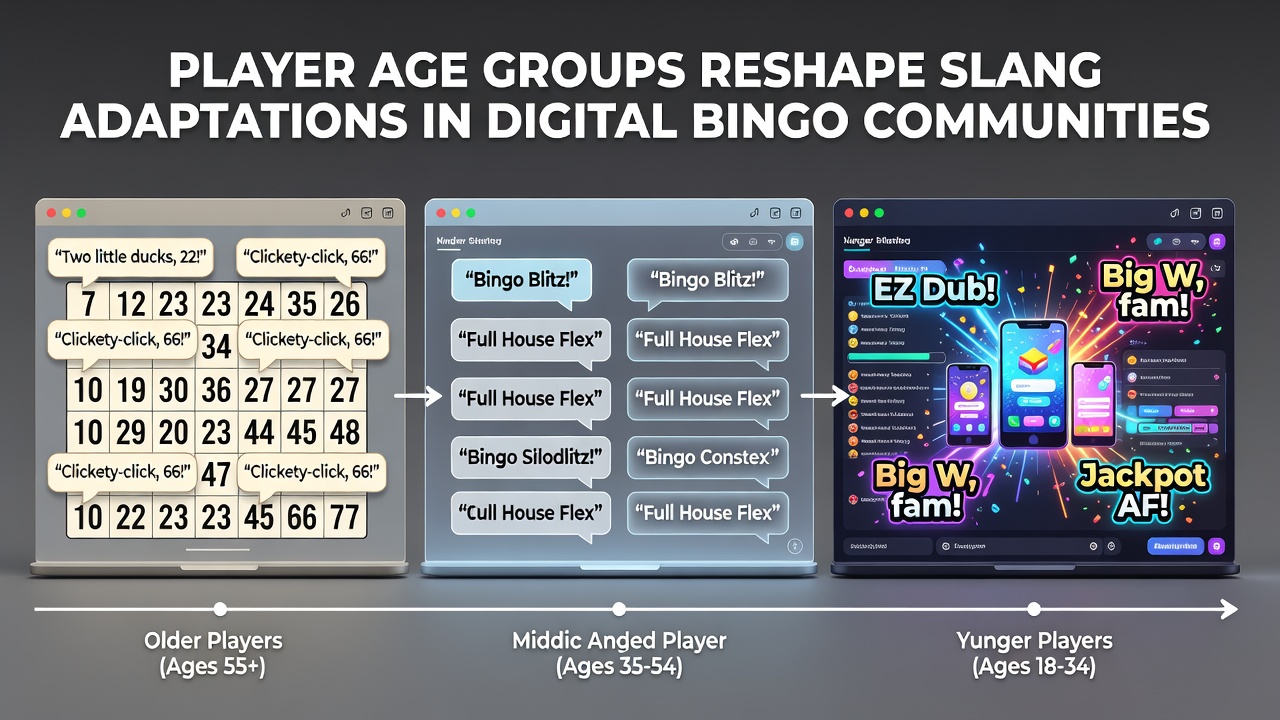
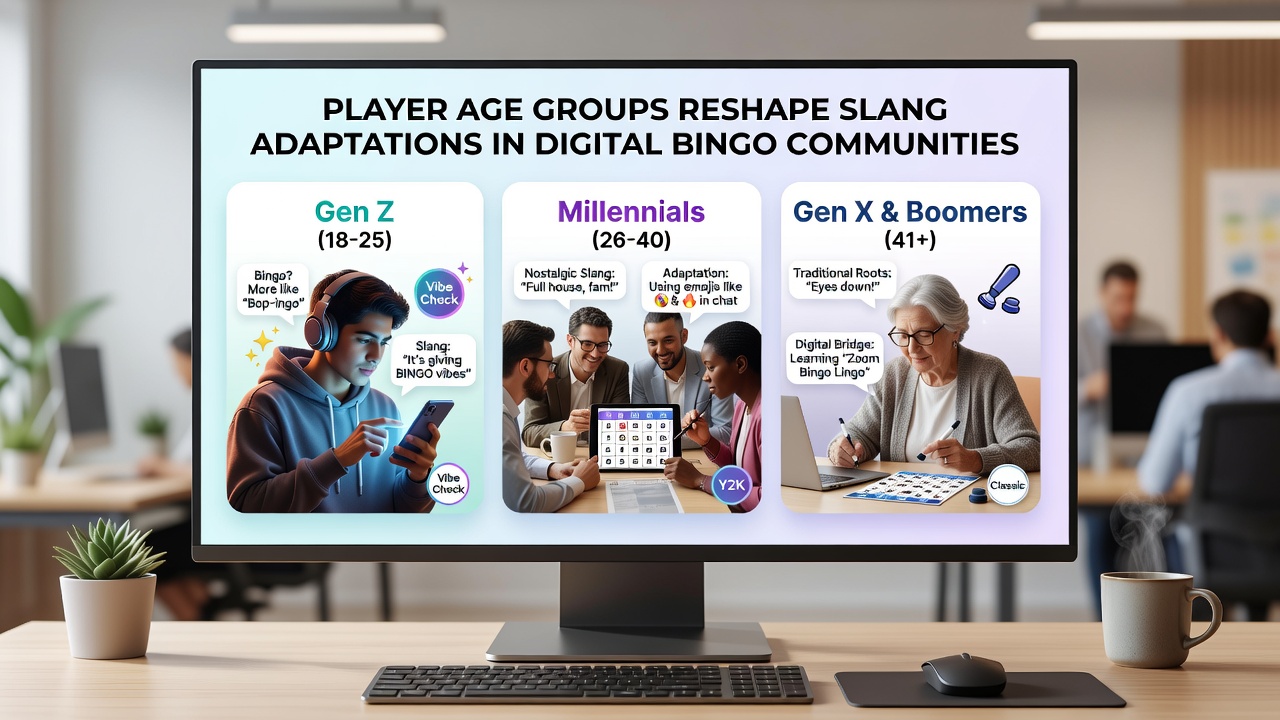
Player age groups have begun to influence terminology shifts across digital bingo platforms in measurable ways, according to industry tracking data compiled through 2026. Younger participants introduce abbreviated phrases and emoji-integrated expressions while older cohorts maintain traditional calls and expand them with descriptive qualifiers, creating layered vocabularies that platforms must accommodate through updated moderation tools and community guidelines.
Platform Data on Age Distribution
Industry reports released in August 2026 from the European Gaming and Betting Association show that users aged 18 to 34 now comprise 47 percent of active digital bingo accounts, up from 39 percent two years earlier, while the 55-plus segment holds steady at 28 percent. These figures reveal distinct communication patterns that emerge when age brackets interact in shared rooms, with mixed-age sessions producing hybrid slang that neither group used previously.
Researchers at the University of Toronto's gaming studies unit documented 1,200 chat logs from free-to-play bingo environments between March and July 2026, noting that participants under 30 frequently shorten standard calls such as "two little ducks" into numeric codes or memes, whereas those over 50 retain full phrases and add contextual explanations for newcomers. The study indicates these adaptations occur most rapidly in rooms that host cross-generational play, where clarification requests trigger new compound terms.
Terminology Adaptations by Cohort
Younger players often replace established bingo jargon with shorthand drawn from broader gaming culture, including "gg" for good game after a quick round or "afk" to signal temporary absence, yet they incorporate legacy terms when older users dominate the room. Observers note that this selective borrowing accelerates when platforms introduce voice chat features, allowing phonetic blends like "bingo-bae" to surface among mixed groups. Data from North American operators shows a 22 percent rise in such blended expressions during peak evening hours when multiple age ranges overlap.
Older participants, by contrast, expand traditional slang with explanatory additions that clarify patterns for less experienced players, turning "legs eleven" into "legs eleven, that's the number 11" in text form. This expansion serves as a bridge in intergenerational rooms, and logs indicate it reduces repeat questions by nearly 35 percent compared to rooms using unmodified legacy terms alone.
Platform Responses and Moderation Tools
Operators have responded by deploying age-aware filters that flag emerging phrases for review, allowing community managers to approve or standardize new terms before they spread widely. In August 2026 several major platforms updated their glossaries to include 47 newly documented expressions, many of which originated in 25-to-34 age segments before diffusing upward and downward. These updates appear in real-time tooltips that display both original and adapted forms, reducing friction for all users.
External research from the Canadian Centre for Gaming Research links these linguistic shifts to retention metrics, with rooms that actively surface age-specific slang variants showing 18 percent higher return rates across all demographics. The center's analysts attribute the improvement to reduced miscommunication rather than any preference for one style over another.
Cross-Generational Examples in Practice
Take one documented case from a popular European site where a 62-year-old player introduced "housey-housey plus one" to describe a near-win on the final number, a phrase that quickly appeared in younger users' messages within two weeks. Conversely, a 24-year-old streamer popularized "dab the dab" as shorthand for marking a called number, and the term migrated into older cohorts' vocabulary after repeated exposure in mixed rooms. Platform analytics reveal that such cross-pollination happens fastest when sessions run longer than 45 minutes, giving participants repeated opportunities to observe and adopt new forms.
Moderators report that successful integration depends on transparent glossaries rather than top-down enforcement, since forced standardization tends to suppress the very adaptations that keep rooms lively. Figures from Australian digital operators confirm that rooms with flexible slang policies maintain higher concurrent user counts during summer months when participation peaks.
Conclusion
Age-based player segments continue to reshape slang within digital bingo communities through incremental, observable exchanges rather than abrupt replacements. Tracking data through August 2026 shows that platforms accommodating these layered vocabularies sustain broader participation across cohorts, while those that resist adaptation experience slower growth in mixed-age engagement. The pattern suggests ongoing evolution tied directly to demographic composition rather than any single group dominating the linguistic landscape.