Decoding Bingo Slang: How Key Terms Shape Patterns and Strategies in Free Online Variations
Jonas Schmitz · May 18, 2026
Decoding Bingo Slang: How Key Terms Shape Patterns and Strategies in Free Online Variations
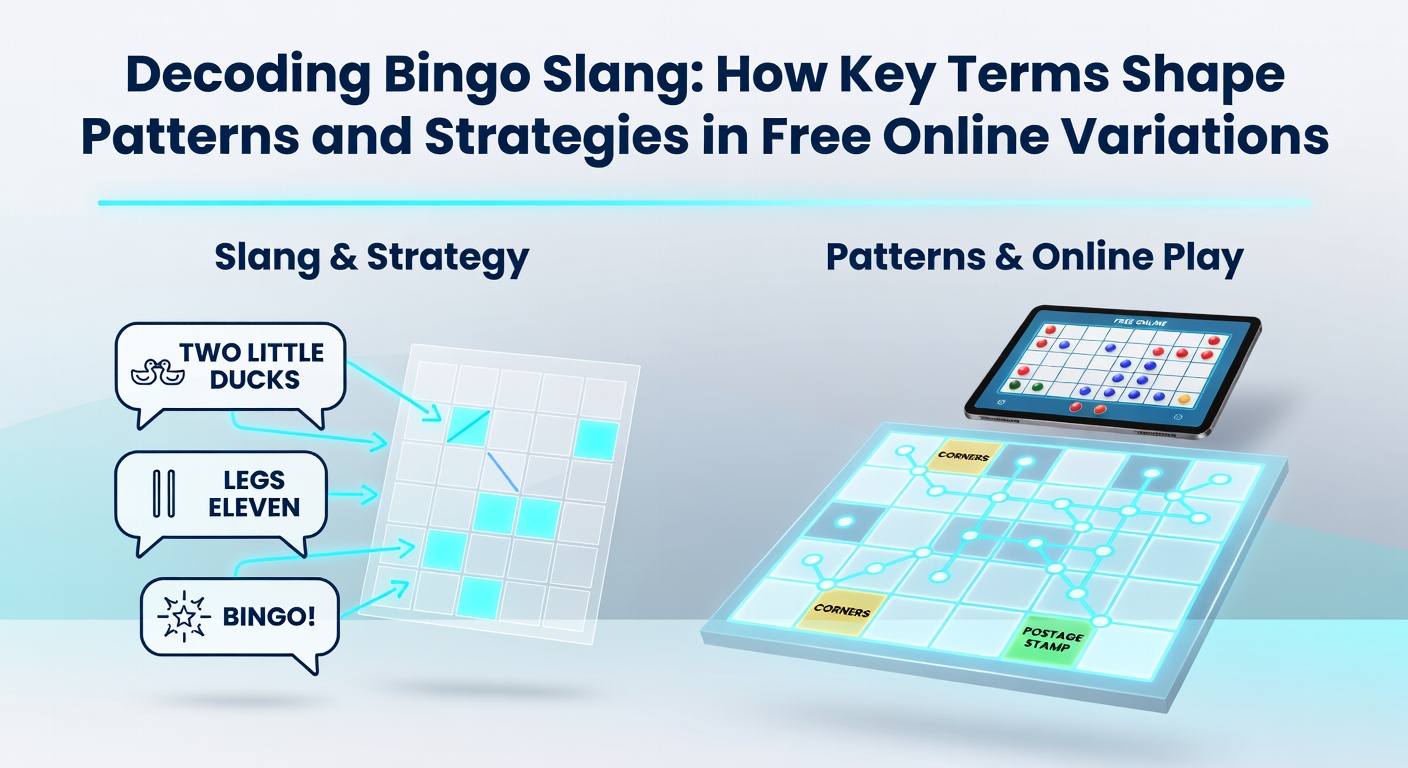
Bingo slang developed over decades as a way for callers and participants to communicate numbers quickly and memorably, and those same phrases now influence how players approach patterns and timing in free online variations where rounds move at a faster pace. Traditional rhyming calls like "Kelly's eye" for number one or "two little ducks" for twenty-two help participants track calls without constant reference to printed cards, and this habit carries over into digital formats where interfaces highlight numbers in real time.
Core Slang Terms and Their Origins
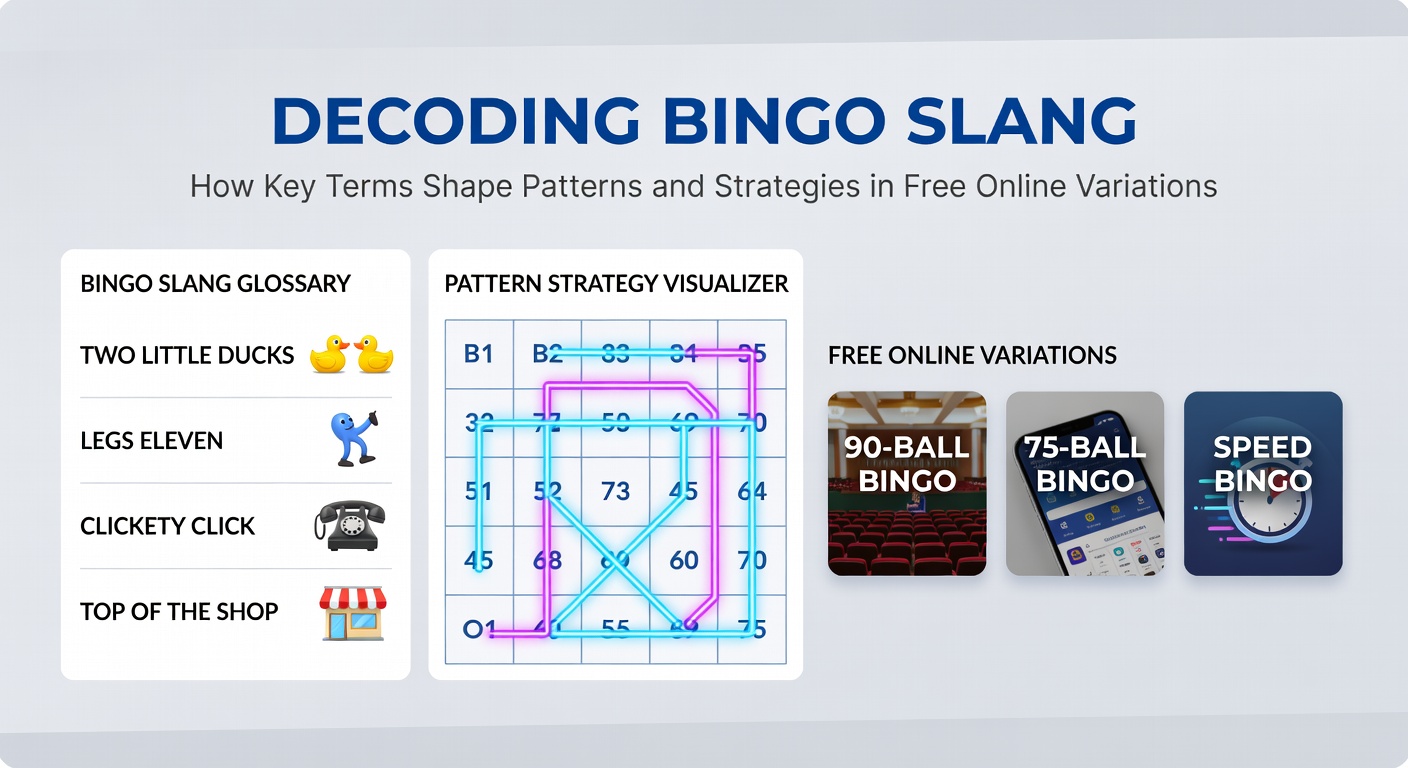
Many expressions trace back to early British bingo halls and traveled through military bases before reaching online platforms, and each phrase condenses a number into an image that players recognize instantly during play. "One little duck" signals two, while "legs eleven" marks the number that visually resembles a pair of limbs, and these associations reduce the cognitive load when numbers appear in quick succession on screen. Observers note that free online sites often retain the spoken calls in audio options, which preserves the rhythm of live games and lets new participants learn the vocabulary without separate tutorials.
Further along the card, "unlucky for some" refers to thirteen and "top of the shop" signals ninety, and players who internalize these terms can anticipate sequences that commonly complete specific lines or blocks. Data from gaming associations shows that retention of such phrases correlates with faster number location, particularly in variations where multiple cards run simultaneously.
Patterns Shaped by Familiar Language
Free online bingo variations frequently feature patterns such as single lines, postage stamps, or full-house completions, and slang assists players in visualizing progress because the phrases create mental anchors for number clusters. When a caller announces "two little ducks," participants immediately picture the second column and can mark potential connections toward a horizontal or diagonal line without scanning every digit anew. Research indicates that this linguistic shortcut proves especially useful in speed rounds where the interval between calls shrinks to a few seconds.
Patterns that require corners or central squares gain an edge when players associate numbers with vivid images, and many platforms now display animated highlights that echo the traditional rhymes. Those who studied early digital adaptations found that retention of slang improved accuracy in pattern recognition across different game types offered at no cost.
Strategic Applications in Free Play
Players apply slang knowledge to decide when to switch cards or adjust betting units in free online versions that simulate real-money mechanics, and this approach allows testing without financial exposure. A sequence that begins with "doctor's orders" for nine might steer attention toward the middle rows where many patterns converge, and experienced participants track these cues to maintain momentum through longer sessions. Industry reports from the American Gaming Association highlight that structured practice in free environments helps users refine timing and pattern selection before entering paid rooms.
But here's the thing, the same vocabulary also supports social features like chat rooms where participants share progress using shorthand rather than full sentences. Phrases such as "legs eleven on the way" convey position instantly, which keeps the pace lively and reduces miscommunication during simultaneous multi-card play. Canadian provincial regulators, including the iGaming Ontario framework, have noted increased engagement metrics when platforms incorporate familiar audio calls into their free trial offerings.
Trends Emerging in Mid-2026
By May 2026, several free online platforms introduced updated audio libraries that blend classic slang with localized accents, and this change reflects efforts to broaden accessibility across regions. Observers note that the integration supports pattern strategies because players from different backgrounds can still rely on the core number associations while hearing calls in familiar tones. Figures from European gaming trade groups reveal steady growth in session lengths for users who engage with these enhanced audio options.
Yet the core mechanics remain unchanged, and participants continue to leverage rhyming references to navigate the faster call rates typical of digital formats. One study from gaming research centers demonstrated that consistent use of established slang terms reduced marking errors by measurable margins in controlled free-play tests.
Conclusion
Bingo slang functions as more than colorful language because it supplies a practical framework for recognizing numbers and completing patterns efficiently in free online variations. The terms that originated in physical halls now guide digital strategies by creating quick mental links that support faster decisions and clearer communication. As platforms continue to refine their interfaces through 2026, the vocabulary persists as a bridge between traditional play and modern accessibility features.