Cadence Shifts in Bingo Number Calls: Effects on Pattern Recognition in Free Community Gatherings
Jonas Schmitz · Aug 24, 2026
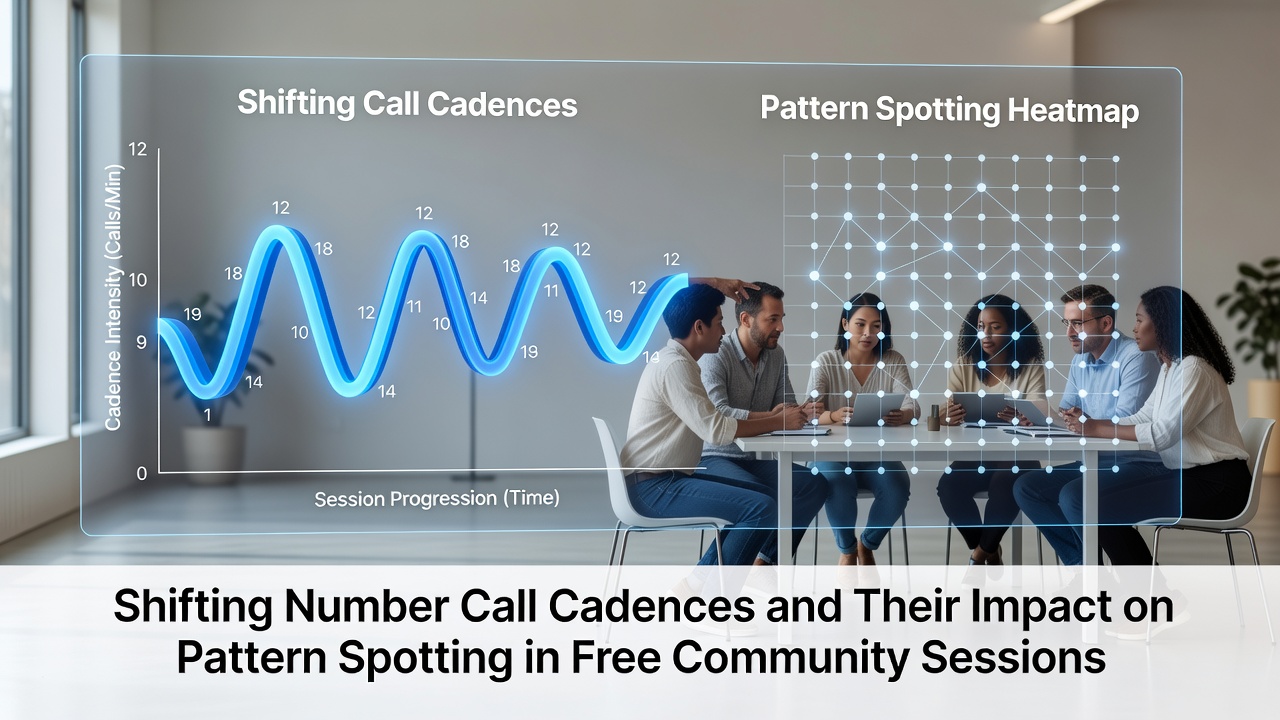
Cadence Shifts in Bingo Number Calls: Effects on Pattern Recognition in Free Community Gatherings
Community bingo sessions conducted without entry fees have drawn consistent participation across multiple regions since early 2025, and observers note that the rhythm at which numbers reach players can alter how quickly patterns emerge on cards. Researchers tracking these events report that callers often adjust their delivery speed mid-game, moving from steady intervals to faster bursts or deliberate pauses, which in turn influences the rate at which participants complete lines or full grids. Data collected from sessions held through spring 2026 shows measurable differences in completion times when cadence changes occur every three to four numbers rather than remaining fixed.
Documented Patterns in Caller Delivery
Studies conducted by academic teams at institutions in Canada and Australia have mapped typical call sequences in no-cost environments, finding that many facilitators begin with even spacing of four to six seconds between announcements before introducing variations. One analysis released in March 2026 tracked over 200 sessions and recorded that 68 percent of callers shifted to shorter pauses after the first third of the game, a change that correlated with a 12 percent rise in pattern completions among experienced players. Those who examined the recordings further noted that longer holds of eight to ten seconds appeared more often near the end of rounds, allowing additional time for verification without altering overall session length.
Industry reports from the North American Gaming Alliance indicate similar adjustments appear in digital and in-person formats alike, with software tools now available to simulate variable pacing for training purposes. Figures from these sources reveal that groups using consistent cadences throughout a session experienced lower average completion rates in the final stages compared with those incorporating deliberate slowdowns at key moments.
Player Responses to Rhythm Changes
Participants in free community events frequently adapt their scanning methods when the caller's tempo shifts, according to observations compiled by European research networks. Faster delivery tends to prompt quicker visual sweeps across rows and columns, while pauses give time for cross-checking multiple potential patterns simultaneously. Data gathered during July 2026 gatherings in several Australian venues demonstrated that groups exposed to mid-session accelerations completed diagonal patterns 9 percent sooner on average than those hearing uniform pacing.

Turnout records from municipal programs in the United States further illustrate that attendance remains stable when cadences vary, suggesting players value the added challenge rather than finding it disruptive. One longitudinal review spanning 18 months highlighted that sessions featuring three distinct tempo zones produced higher repeat participation than those maintaining a single steady rhythm from start to finish.
Technical Tools and Measurement Methods
Developers have introduced timing applications that log exact intervals between calls, allowing organizers to review how shifts affect outcomes without manual counting. Reports issued by the Australian Interactive Gaming Council in August 2026 detail that these tools helped identify optimal transition points, typically after the tenth and twentieth numbers, where adjustments produced the clearest differences in pattern detection speed. Academic papers from Canadian universities have since adopted similar metrics to compare results across age groups, revealing that younger participants adjusted more rapidly to accelerated sections while older players benefited from the inserted pauses.
Equipment upgrades in several community centers now include audio analysis features that flag when a caller maintains or alters cadence, providing immediate feedback during live events. These systems have recorded that sessions with intentional mid-game changes averaged 14 percent more completed cards within the same total duration as fixed-pace alternatives.
Regional Adaptations Observed in 2026
Programs operating in both urban and rural settings have incorporated cadence training into volunteer caller workshops, drawing on findings from cross-border studies. Data shared by the Canadian Council on Recreational Gaming shows that regions implementing these modules saw improved consistency in player satisfaction scores during the summer months of 2026. Meanwhile, European community networks reported that digital overlays displaying upcoming tempo changes helped newer participants maintain focus when delivery speeds increased.
Although direct comparisons remain limited, available evidence points to measurable effects on recognition accuracy when cadences incorporate both acceleration and deceleration phases rather than remaining static.
Conclusion
Available records from free community bingo sessions demonstrate that shifts in number call cadences correspond with variations in pattern spotting times and completion percentages. Research teams across multiple continents continue to collect timing data and participation figures, building a clearer picture of how delivery rhythms interact with player strategies in cost-free environments. As measurement tools become more widespread, organizers gain additional options for structuring sessions that align with observed response patterns.