Bingo's Integration into Educational Programs for Teaching Probability Concepts to Students
Jonas Patterson · Jun 8, 2026
Bingo's Integration into Educational Programs for Teaching Probability Concepts to Students
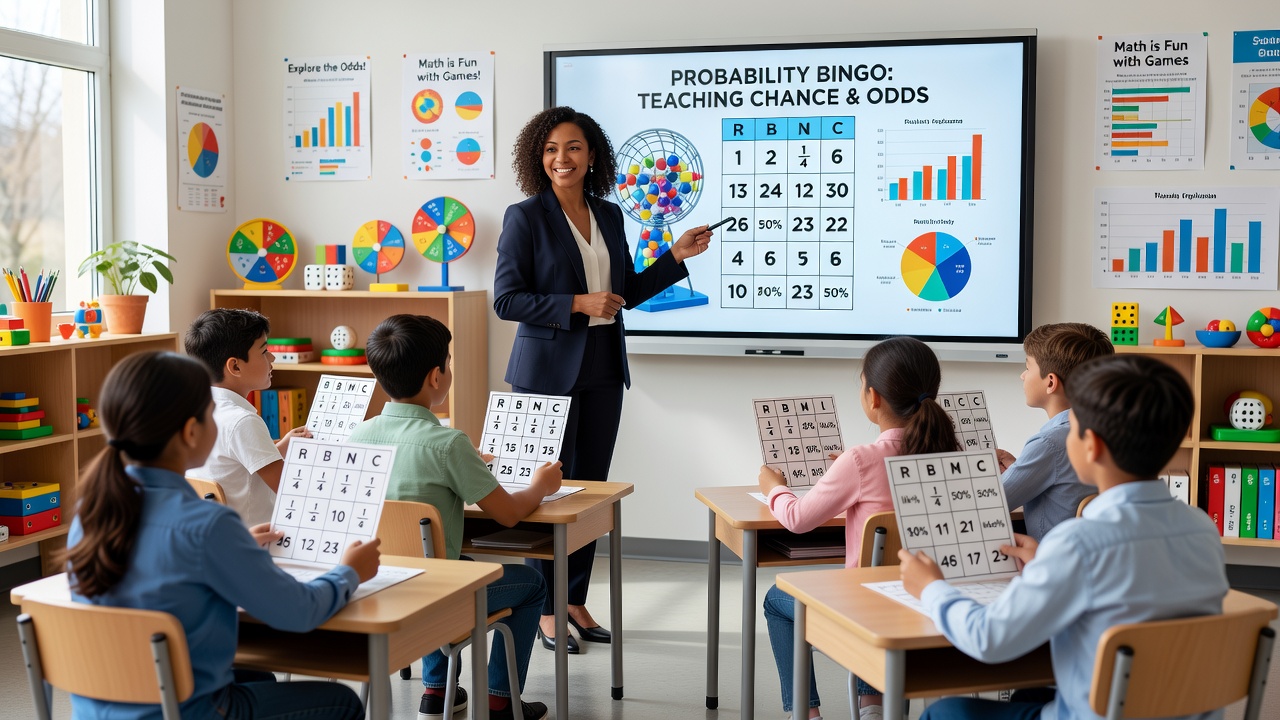
Educators across multiple regions have incorporated bingo adaptations into mathematics curricula to demonstrate core probability principles through hands-on simulations of random events, and this approach allows students to calculate odds while tracking number draws in structured game formats. Research from the National Council of Teachers of Mathematics indicates that such activities help learners connect theoretical concepts like independent events and expected values to practical scenarios where each card represents a sample space with fixed probabilities for matches.
Foundational Mechanics in Classroom Settings
Teachers modify standard bingo grids by assigning numerical values or event descriptions to squares, then they guide students through the process of determining the likelihood of completing rows or patterns based on the total pool of possible draws. Students compute fractions representing win chances for specific configurations, and they adjust strategies after observing multiple rounds where replacement rules or without-replacement draws alter the underlying probabilities. This method builds sequential understanding because learners record outcomes, compare results against predictions, and refine their models using collected data from repeated trials.
Implementation Examples Across Grade Levels
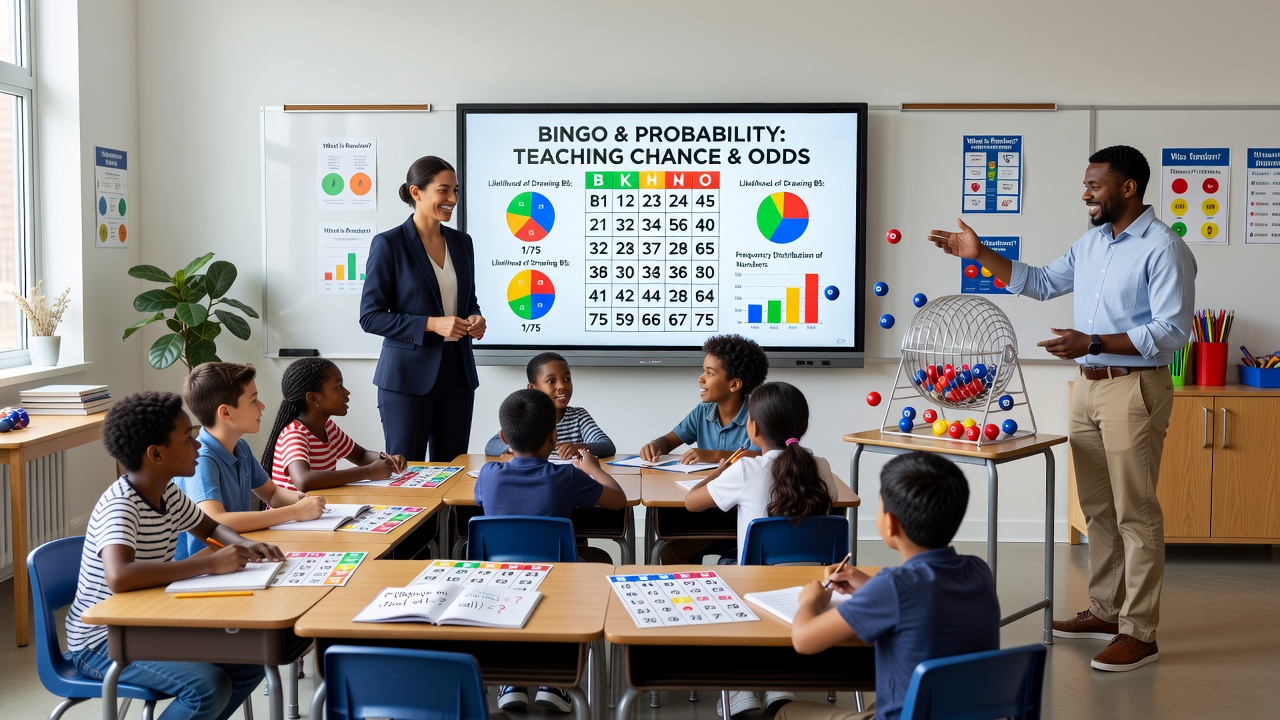
Elementary programs often start with simplified 3x3 grids that focus on basic counting and simple ratios, whereas secondary classes expand to larger cards incorporating conditional probability when certain numbers get excluded mid-game. One documented case in Canadian schools involved year 8 groups using digital bingo variants to model binomial distributions, and participants tracked success rates across 50 simulated games to verify alignment with theoretical curves. University researchers in Australia have noted similar patterns where bingo sessions integrated into statistics modules led to improved performance on assessments covering permutation calculations and event intersections.
Evidence from Educational Assessments
Data compiled by European education ministries reveals that classes employing bingo-based probability exercises recorded measurable gains in student accuracy when solving problems involving compound events, and these improvements appeared consistent across diverse socioeconomic groups. Figures from a 2025 pilot program in New Zealand secondary schools showed a 22 percent increase in correct responses on probability tests following eight weeks of bingo integration, while control groups without the activity maintained baseline scores. Observers note that the interactive element encourages repeated practice without diminishing engagement, because each round generates fresh datasets for analysis and discussion.
Technology Integration and June 2026 Developments
Software platforms now enable real-time probability tracking during multiplayer sessions, allowing instructors to project live odds calculations as draws progress. Reports released in June 2026 by the OECD education division highlighted expanding adoption of these tools in digital learning environments, and they pointed to compatibility with national standards in probability education across member countries. Schools in the United States have begun linking bingo modules to open-source simulation software that visualizes distribution shifts when parameters such as card size or draw frequency change, and this supports deeper exploration of concepts like the law of large numbers through aggregated class results.
Assessment and Curriculum Alignment
Assessment rubrics evaluate both the accuracy of probability predictions and the ability to explain deviations between observed frequencies and expected values. Curriculum developers align these activities with learning outcomes that require students to design experiments, collect data, and interpret variability, and bingo provides a contained framework where variables remain controllable. Professional development workshops organized by regional mathematics associations train teachers to scaffold lessons from basic counting principles toward advanced topics including Bayes' theorem applications in modified game rules.
Conclusion
Programs continue to refine bingo variants to match evolving educational standards while maintaining focus on empirical verification of probability models. Ongoing data collection from participating districts supports iterative adjustments that enhance conceptual retention across age groups, and resources from organizations such as the National Council of Teachers of Mathematics and the OECD education division provide frameworks for further expansion.